📊 ulives vs LifeUp — Perché abbiamo ricostruito da zero
LifeUp è un'app pionieristica di produttività gamificata che abbiamo lanciato nel 2018, e ulives è il suo successore spirituale ufficiale — ricostruito da zero per un futuro multipiattaforma. Questo documento spiega le differenze, le ragioni della riscrittura e cosa aspettarsi da entrambe le app in futuro.
Ampiezza vs profondità: cosa significa «LifeUp 2.0»
A volte descriviamo ulives come «LifeUp 2.0». Il nostro obiettivo è un’app di produttività gamificata moderna e cross-platform — ispirata a LifeUp, non un clone uno a uno.
- Successione cross-platform, non fotocopia: ulives porta lo spirito di LifeUp su iOS, Android e HarmonyOS. Non replichiamo ogni schermata o meccanica legacy immutata.
- Modernizzare migrando: Le idee LifeUp mantengono ciò che funziona, migliorano il debole e si adattano all’UX nativa. Le funzioni già rilasciate possono risultare più profonde o flessibili che in LifeUp.
- App giovane, sviluppo attivo: ulives è uscita nel 2025 ed è in sviluppo attivo. LifeUp ha anni di crescita solo su Android e oggi offre una superficie più ampia (API automazione, MCP, Tasker, widget Android maturi). ulives si espande costantemente — oggi forte su Apple; Android guadagna profondità ed estensibilità.
- Come scegliere: Solo Android, UI LifeUp preferita, o serve API/MCP/automazione ora — LifeUp è l’opzione consolidata e curata da anni. ulives è per multi-piattaforma e uno stack nativo moderno — scegli in base al flusso di lavoro.
Importare dati LifeUp aiuta a iniziare su ulives mentre nuove capacità continuano ad arrivare.
Confronto rapido
| LifeUp (人升) | ulives | |
|---|---|---|
| Piattaforma | Solo Android | iOS · iPadOS · macOS · Android |
| Tecnologia | Android nativo (Java / Kotlin) | KMP + SwiftUI / Jetpack Compose |
| Rilascio | 2018 | 2025 |
| Prezzi | Download a pagamento¹ | Download gratuito + abbonamento Premium |
| UI | Material Design 2 + 3 (dual) | Design nativo per piattaforma (SwiftUI / Compose) |
| Sync dati multipiattaforma | Non pianificato | Formato dati universale su tutte le piattaforme |
| Funzionalità online | Modulo World (base) | Non ancora — libreria asset online pianificata |
| API / Estensibilità | ✅ API aperta + SDK open source² | ❌ Non ancora (serve design multipiattaforma) |
| Import dati LifeUp | — | ✅ Supportato |
| Export dati | ✅ Export completo | ✅ Export completo |
¹ Disponibile anche tramite Google Play Pass in alcune regioni.
² Include LifeUp Cloud, LifeUp SDK e LifeUp Desktop.
Perché abbiamo ricostruito invece di aggiornare
1. Lock-in di piattaforma
LifeUp è stato costruito interamente con tecnologia nativa Android (Java, poi Kotlin). Portarlo su iOS, HarmonyOS, desktop o web non è mai stato fattibile — la codebase non poteva essere riutilizzata. Per raggiungere utenti oltre Android, una riscrittura completa era l'unica strada.
2. Debito tecnico accumulato
L'architettura iniziale di LifeUp ha fatto compromessi pragmatici per la velocità:
- Layer database: scelto per prototipazione rapida ma ora un collo di bottiglia delle prestazioni su larga scala
- Migrazioni sistema attributi: partiti da 6 attributi fissi → 6 attributi personalizzabili → lista completamente personalizzabile con raggruppamento — ogni migrazione ha aggiunto complessità sopra codice vecchio
- Manutenzione dual UI: supportiamo ancora temi Material 2 e Material 3, raddoppiando lo sforzo di design e QA per ogni modifica
Sono problemi reali, ma risolverli in-place significherebbe comunque riscrivere gran parte dell'app — con rischio costante di rompere i dati utente esistenti.
3. Vincoli di design dalle decisioni iniziali
LifeUp è cresciuto organicamente dal feedback della community — un punto di forza, ma che ha bloccato molte funzionalità e pattern UI. Cambiarli in-place romperebbe dati esistenti, flussi di lavoro o entrambi:
- Stili UI incorporati — manteniamo ancora temi Material 2 e Material 3 affiancati; ogni schermata esiste in due varianti, quindi un overhaul visivo o strutturale significa doppio design, codice e QA per ogni modifica
- Modello storage ripetizione attività — le attività ricorrenti generano clone istanza per occorrenza invece di un modello ciclo unificato; quello schema è intrecciato in cronologia, ricompense, statistiche ed export — ridisegnarlo tocca quasi ogni modulo
- Monete d'oro come sistema di prima classe — le monete non sono solo un altro oggetto; hanno storage, UI e API dedicati. Negozio, sintesi e inventario sono stati costruiti attorno a questa valuta piatta, ed è per questo che quei sistemi sembrano disconnessi
- Regole ricompensa integrate (passi → XP Forza, like → ricompense, achievement di sistema fissi) — regole "definite dall'app" iniziali che non si adattano all'etica completamente personalizzabile verso cui siamo evoluti
- Viste cronologia sparse — cronologia attività, registri monete, record timer e inventario vivono su schermate separate con forme dati diverse
- Meccaniche modulo World — un esperimento online iniziale con logica lato server propria; manteniamo le basi, ma espanderlo richiederebbe riarchitettare costi e modelli dati mai progettati per la scala
- Canali login multipli — Google, email, telefono e altri percorsi accumulati negli anni; binding account, recupero e trasferimento licenze sono cresciuti attorno a ciascuno, aggiungendo attrito ogni volta che tocchiamo auth o supporto
Non sono bug isolati — sono anni di dati e abitudini reali degli utenti incorporati nel prodotto. Refactoring uno per uno significherebbe comunque riscrivere gran parte dell'app.
4. Non potevamo sottrarre
Ogni funzionalità in LifeUp ha utenti che vi fanno affidamento. Rimuovere o ridisegnare qualcosa in-place romperebbe il flusso di qualcuno. Un nuovo inizio ci ha dato la libertà di fare scelte deliberate su cosa portare avanti.
Cosa porta ulives
Nuove funzionalità (solo ulives)
| Funzionalità | Descrizione |
|---|---|
| Giorni countdown | Tieni traccia di date imminenti e traguardi accanto alle tue attività |
| Profili multipli | Passa tra configurazioni completamente separate (es. "Lavoro" vs "Personale") |
| Capsule attività | Raggruppa attività in capsule collassabili per un'organizzazione più pulita |
| Activity Timeline unificata | Un feed scrollabile per tutta la cronologia — attività completate, ricompense riscattate, timer e altro |
| Valuta → Sistema oggetti | La valuta non è più un concetto separato — le monete sono solo oggetti, e gli oggetti possono essere valute |
| Modalità focus | Pomodoro con Live Activities (Dynamic Island), widget iOS |
| Supporto iPad e macOS | Adattamento completo per schermi grandi su tablet e desktop |
| Backup iCloud | Backup e ripristino fluidi nativi Apple |
| Cambio icona app | Scegli tra più icone app su iOS |
| Widget iOS | Widget schermata Home e lock screen per check-in attività rapidi |
Funzionalità non ancora in ulives
Queste funzionalità LifeUp non appariranno subito in ulives. Potremmo reintrodurre versioni raffinate in seguito:
- ATM (simulazione interesse composto)
- Timer countdown oggetti
- Achievement di sistema e ricompense integrate
- Mapping passi → ricompensa attributo
- Mapping conteggio like → ricompensa
Vantaggi duraturi di LifeUp
Nonostante l'età, LifeUp resta forte in diverse aree:
| Vantaggio | Dettagli |
|---|---|
| Stabilità Android | Anni di test sul campo e rifinitura sulla piattaforma |
| Smart List | Filtraggio e raggruppamento attività avanzati |
| Ecosistema API aperto | REST API per interrogare e modificare dati app programmaticamente |
| Ecosistema open source | LifeUp Cloud (sync self-hosted), LifeUp SDK (Java/Kotlin), LifeUp Desktop (companion multipiattaforma) |
| Integrazione automazione | Funziona con Tasker, script personalizzati, agenti AI e altri strumenti di automazione |
| Prezzo più basso | Acquisto una tantum (niente abbonamento) nella maggior parte delle regioni |
| Set funzionalità maturo | Tutto è stato raffinato attraverso anni di uso reale |
L'ecosistema API in particolare dà a LifeUp un layer "developer-friendly" che ulives non eguaglia ancora. Gli utenti hanno costruito flussi sofisticati — tracking abitudini automatizzato con Tasker, generazione attività con AI, dashboard personalizzate — combinando l'API LifeUp con altri strumenti.
Prezzi e modello di business
LifeUp e ulives sono app separate con store, acquisti, licenze e dati separati. Importare un backup LifeUp in ulives non trasferisce la licenza LifeUp.
Perché non possono condividere un acquisto
LifeUp è sempre stato costruito con tecnologia nativa Android pura. Essendo confinato a una sola piattaforma, il pricing di LifeUp è stato intenzionalmente impostato basso — non è realistico che un acquisto acquisti l'intero portfolio dello sviluppatore su ogni futura app.
Su Google Play, la membership a vita di LifeUp è partita da circa 1 USD ed è stata adeguata negli anni a circa 4 USD oggi — ancora estremamente bassa (molte app comparabili partono da 30–40+ USD a vita o aumentano i prezzi ogni mese). Sui canali Android domestici, la membership permanente è passata da circa ¥6 a ¥29,8 in circa otto anni dopo l'introduzione della membership. Quel fatturato non basta a finanziare lo sviluppo a tempo pieno di LifeUp da solo, figuriamoci la manutenzione e le operazioni multipiattaforma di ulives.
ulives è una riscrittura greenfield su tecnologia multipiattaforma (KMP), costruita da un team diverso su una nuova stack — ulives non esisteva quando furono fissati i prezzi di LifeUp. Il suo pricing riflette costi di sviluppo, un team non completamente unificato e manutenibilità a lungo termine su più piattaforme.
Potremmo rendere intercambiabili le due membership. Sarebbe vendita in bundle: chiunque abbia acquistato il livello a vita a basso prezzo di LifeUp otterrebbe anche ulives per sempre. Il modo onesto per offrire quel bundle sarebbe aumentare sostanzialmente il prezzo di LifeUp fin dall'inizio così che un acquisto copra entrambe le app. Abbiamo scelto di non farlo — LifeUp mantiene i prezzi solo Android, e ulives è venduto separatamente. Entrambe le app offrono membership a vita a prezzi ben al di sotto della maggior parte dei prodotti comparabili — ma servono ambiti diversi e non possono condividere i diritti oggi.
I membri LifeUp a pagamento non stanno perdendo nulla. La non intercambiabilità con ulives non annulla i benefici LifeUp. LifeUp ha avuto otto anni di manutenzione e aggiornamenti funzionali dall'introduzione della membership; gli utenti paganti esistenti continueranno a ricevere i loro diritti, e restiamo impegnati nello sviluppo di LifeUp — incluse sostanziali uscite recenti come il server MCP.
ulives è progettato affinché Premium Access funzioni eventualmente su iOS, Android e HarmonyOS con dati e benefici condivisi. Non gestiamo ancora un server o un sistema account, quindi i diritti si basano attualmente sulla validazione acquisti in-app di ogni piattaforma. Il riscatto multipiattaforma iniziale potrebbe richiedere di contattarci per codici specifici per piattaforma; prevediamo di introdurre gestione account lato server quando pronti.
LifeUp su Google Play: download a pagamento
Su Google Play, LifeUp usa download a pagamento più membership a vita a prezzo relativamente basso. Quella doppia barriera limita quante persone possono provare l'app, il che riduce feedback e slancio degli aggiornamenti — e alla fine danneggia l'esperienza anche per i membri esistenti.
LifeUp porta anche costi server continui, una grande base di membri a vita a barriera bassa e molte richieste manuali di trasferimento licenza — inclusi utenti di anni fa che hanno bisogno di aiuto a trovare account tra numerosi metodi di login. Questi costi operativi limitano ulteriormente quanto possiamo reinvestire.
Oltre il codice: il supporto che ruba tempo allo sviluppo
Siamo un team indie che sviluppa nel tempo libero — non un'azienda con reparto assistenza. Ogni ora su email, trasferimenti licenza o trattative occasionali è un'ora in meno per correggere bug o rilasciare funzionalità per tutti, inclusi i membri paganti.
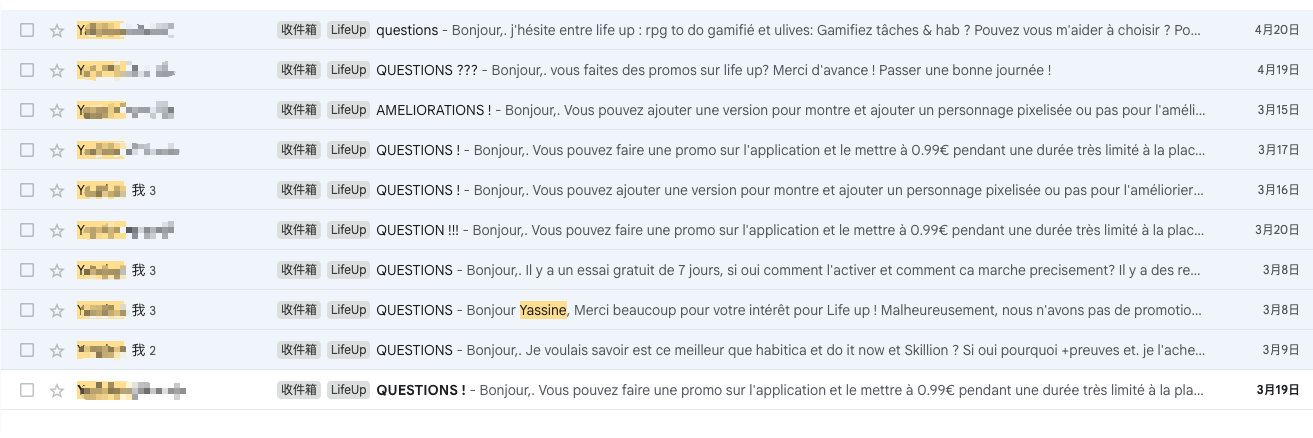
Gli screenshot sotto sono reali (dati personali oscurati). Per circa un mese, lo stesso utente ha inviato molte email al nostro indirizzo di supporto LifeUp — chiedendo ripetutamente forti sconti o accesso gratuito, confronti dettagliati con Habitica, Do It Now, Skillion e poi ulives, e chiedendoci di dimostrare che l'app valeva l'acquisto prima di pagare. Abbiamo risposto qualche volta, ma volume e scambi hanno presto superato ciò che potevamo sostenere accanto allo sviluppo, quindi abbiamo smesso di interagire.
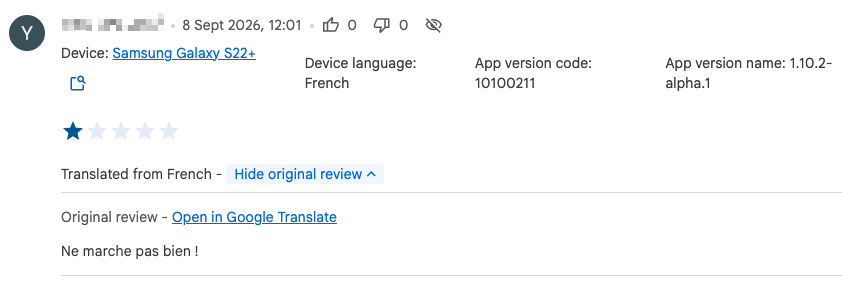
Quando ulives Android ha ricevuto la prima recensione pubblica sullo store, abbiamo riconosciuto lo stesso nome — una valutazione a una stella su una build alpha iniziale con il commento « Ne marche pas bien ! » (« Non funziona bene! »).
Non condividiamo questo per mettere nessuno alla gogna. I vincoli di budget sono reali e capiamo la frustrazione. Ma questo schema — aspettarsi da un progetto a due persone nel tempo libero consulenza personale continua, prezzi su misura e « prova prima dell'acquisto » — compete direttamente con il tempo di sviluppo di cui ulives e LifeUp hanno entrambi bisogno. È parte del motivo per cui prezzi sostenibili e limiti più chiari contano: per continuare a costruire invece di annegare in un carico di supporto insostenibile.
Investimento nello sviluppo ulives
Costruire ulives ha consumato tempo e risorse sostanziali. Quasi ogni funzionalità è stata ridisegnata dal feedback utenti prima dell'integrazione — ad esempio, Smart List è partita con liste integrate, "My Day" e smart list personalizzate insieme. Tooling AI continuo, rifinitura e lavoro App Store aggiungono ulteriore costo. Condividere pricing o membership LifeUp non è sostenibile per ulives.
Alcuni utenti chiedono perché ulives non può condividere la membership LifeUp — incluse domande su funzionalità solo Premium come auto-sblocco achievement. ulives e LifeUp sono prodotti separati con prezzi separati. Le funzionalità Premium finanziano lo sviluppo multipiattaforma e la manutenzione a lungo termine.
Un ciclo malsano da cui ci stiamo allontanando
Su Google Play e altri store esteri, LifeUp ha sempre usato download a pagamento più membership a vita relativamente economica — non esiste un modello di download gratuito con «la maggior parte delle funzionalità gratis» in quei mercati. Questa combinazione è difficile da sostenere a lungo termine:
- Il download a pagamento abbassa la conversione — meno persone provano l'app, il che significa crescita utenti più lenta, meno feedback e minore slancio per gli aggiornamenti
- Membership a vita a basso prezzo — dopo l'acquisto, i ricavi ricorrenti sono limitati, rendendo più difficile finanziare server, supporto e sviluppo continuo
- Il risultato: entrate insufficienti → meno manutenzione e aggiornamenti più lenti → esperienza degradata per tutti, inclusi i membri paganti
ulives è intenzionalmente prezzato per rompere quel ciclo. Tier membership, gate funzionalità e piani multipiattaforma sono progettati prima per manutenibilità a lungo termine — così le entrate possono continuare a finanziare sviluppo, test automatici, adattamento piattaforma e supporto, invece di ripetere il percorso insostenibile di LifeUp all'estero. I prodotti sani hanno bisogno di prezzi ragionevoli, valore ragionevole per i membri, entrate ragionevoli per lo sviluppatore e reinvestimento che supporti la crescita.
ulives progettato per manutenibilità a lungo termine
Oltre al pricing, ulives è architettato per la sostenibilità:
- Design greenfield su KMP — logica di business core, modelli dati e regole sono costruiti una volta e condivisi tra iOS, Android e HarmonyOS, con UI nativa per piattaforma. Questo riduce il lavoro di ingegneria duplicato rispetto al mantenimento di codebase native separate su ogni piattaforma
- Minore carico operativo continuo — LifeUp porta anche costi server, trasferimenti licenza manuali, recupero account tra numerosi metodi di login e altro lavoro ops che diventa un peso a lungo termine. ulives è progettato per evitare di ripetere quell'overhead quando possibile (i diritti si basano ancora oggi sulla validazione store di ogni piattaforma; account lato server sono previsti quando il prodotto sarà pronto)
Funzionalità che tornano in LifeUp
Lo sviluppo ulives ha anche migliorato LifeUp. Esempi includono l'unione di negozio, magazzino e sistemi di sintesi, e l'espansione delle restrizioni acquisto/uso.
Come evolveranno entrambe le app
LifeUp: manutenzione stabile
Siamo impegnati a mantenere LifeUp per il futuro prevedibile. Tuttavia:
- Lo sviluppo di nuove funzionalità è limitato — solo Android, compatibilità legacy senza test automatici completi e debito accumulato (manutenzione dual Material 2/3, compromessi prestazioni database)
- Sviluppiamo con cautela e validiamo più a lungo, concentrandoci su correzioni bug, prestazioni, stabilità e miglioramenti incrementali
- Non prevediamo di aggiungere moduli funzionalità maggiori
- La parità funzionale esistente tra i temi dual Material 2 / 3 sarà mantenuta
- L'ecosistema open source (Cloud, SDK, Desktop) continuerà ad essere disponibile
ulives: innovazione audace
ulives è dove investiamo nel futuro:
- Test automatici estesi ci permettono di cambiare logica con fiducia
- Layer dati condiviso KMP — le modifiche al modello dati possono essere riutilizzate su iOS, Android, HarmonyOS e potenziali target desktop futuri con minima duplicazione
- UI nativa per piattaforma — SwiftUI su Apple, Jetpack Compose su Android — per iterazione più rapida e funzionalità specifiche per piattaforma (es. Live Activities)
- Funzionalità online — pianifichiamo librerie asset online, template condivisi e altre funzionalità community mai fattibili nell'architettura LifeUp
Dati: import, export e continuità
| Capacità | LifeUp | ulives |
|---|---|---|
| Export dati completi | ✅ (DB + file media) | ✅ (DB + file media) |
| Import dati LifeUp | — | ✅ |
| Sync cross-app | ❌ | Pianificato (stesso formato dati) |
Se sei un utente LifeUp che passa a ulives, puoi importare il backup LifeUp e continuare da dove eri rimasto. Entrambe le app esportano snapshot completi — inclusi database e allegati media — quindi i tuoi dati non restano mai bloccati.
Quale app dovresti usare?
| La tua situazione | Raccomandazione |
|---|---|
| Utente Android, serve API / automazione | LifeUp — maturo e ricco di funzionalità |
| Solo Android, preferisce UI e stabilità LifeUp | LifeUp — esperienza Android curata da anni |
| Utente Android, vuoi le ultime funzionalità | ulives su Google Play — disponibile ora, ancora in miglioramento; oppure LifeUp se serve automazione/API mature |
| Utente iOS / iPad / Mac | ulives — l'unica opzione, e costruito per le piattaforme Apple |
| Utente multipiattaforma | ulives — i dati si sincronizzeranno su tutti i tuoi dispositivi |
| Utente LifeUp "bloccato" su Android | ulives — importa i dati e ottieni libertà multipiattaforma |
| Solo Android, vuoi il prezzo a vita più basso | LifeUp |
| Multipiattaforma o utente Apple | ulives — acquisto separato, Premium multipiattaforma a lungo termine pianificato |
| Vuoi prova gratuita + sblocco premium | ulives |
Riepilogo
LifeUp è stata — e lo è ancora — un'app straordinaria che ha pionierato la produttività gamificata su mobile. Ma la sua architettura solo Android, il debito tecnico accumulato e i vincoli di design legacy l'hanno resa impossibile da evolvere in un prodotto multipiattaforma moderno.
ulives è la nostra risposta: una ricostruzione clean-slate che mantiene l'anima di LifeUp (personalizzazione profonda, progressione ispirata RPG, gamification guidata dall'utente) sbloccando iOS, iPadOS, macOS e Android — tutti condividendo una codebase e un formato dati.
Entrambe le app continueranno. LifeUp ottiene stabilità; ulives ottiene innovazione.